Oral Hygiene and Oral Health
Oral hygiene is a prerequisite for oral health. Maintaining an adequate level of oral hygiene aids in avoiding conditions which may have detrimental effects on teeth and the oral cavity, like dental caries and periodontal disease. It also contributes to a better overall health state, as it can help diminish the risk of progression of atherosclerosis and coronary heart disease, as much as diabetes.
Oral hygiene consists of teeth brushing, use of dental floss or other interdental cleaners and mouth cleaning. All of these aids aim to reduce the potential bacterial load found in the oral cavity which could potentially cause oral diseases.
Teeth brushing
Tooth brushing should be performed twice daily with a soft-medium toothbrush with no great pressure, as the use of hard-bristled toothbrushes is associated with greater gingival recession. Toothbrushes should be regularly replaced (i.e. every 3-4 months) because they become worn, thus not effective. Ideally, the shape of the toothbrush’s head should be proportional to the size of the individual’s teeth and their position in the dental arch. In general, while powered toothbrushes remove dental bacteria and reduce gingival bleeding slightly better than manual toothbrushes, they should also be used systematically to produce an effective result.
Interdental Cleaning
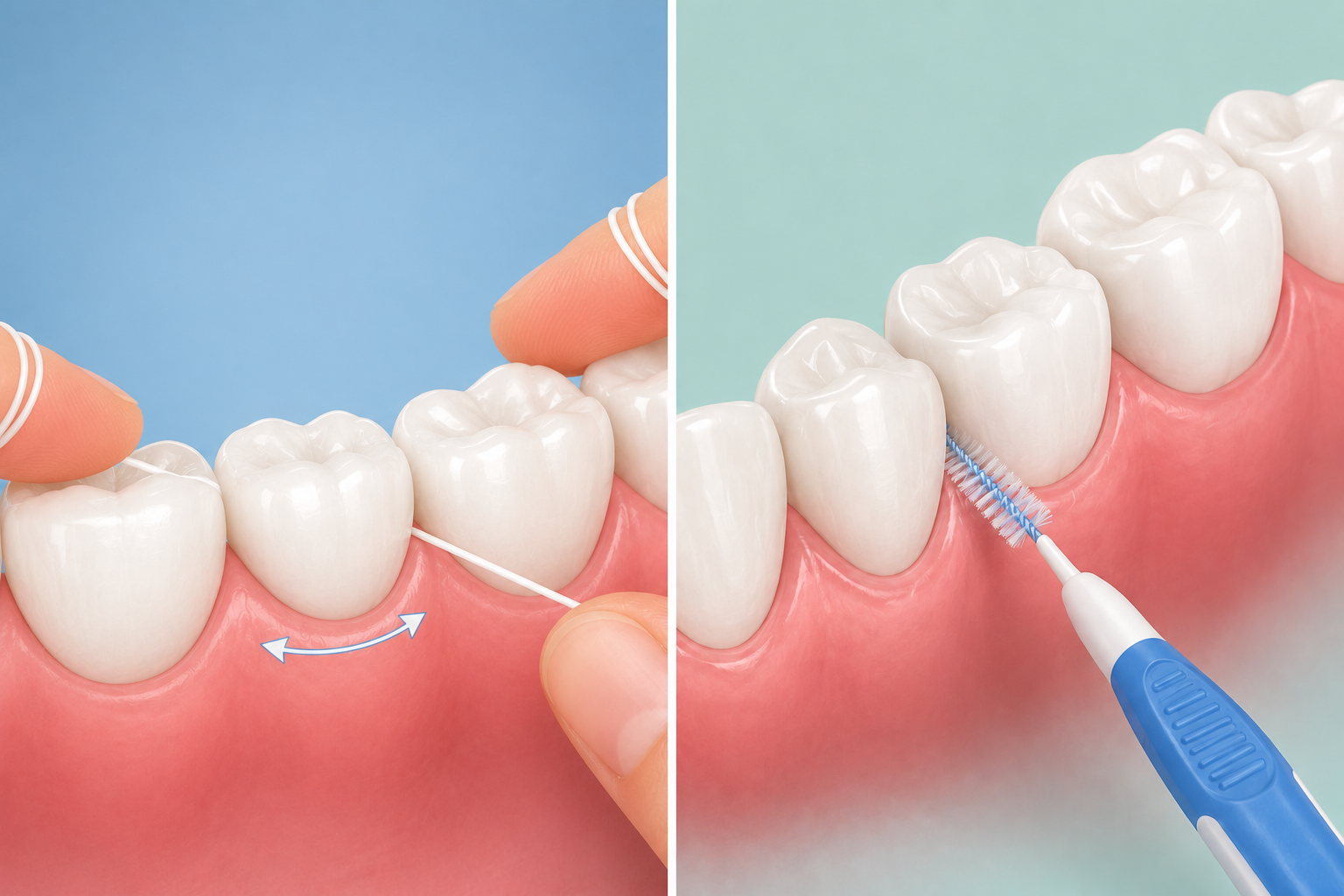
Tooth brushing is not completely effective in interdental spaces, regardless of the brushing method used. Notably, most dental and periodontal diseases originate in interproximal areas. Thus, daily interdental hygiene is crucial. Usually, dental floss or interdental brushes are indicated. The selection between these two milieus is based on the available interdental space; the smaller this space is (i.e. the tighter the teeth are aligned) the more difficult it is to use an interdental brush, rendering the use of the dental floss mandatory. Individuals with great interdental gingival recession, like periodontal patients, are strongly recommended to use an interdental brush. Other means of dental hygiene are rubber or plastic tips. The most important, nevertheless, is the establishment of a lifelong habit, not the hygiene milieu.
Mouth cleaning
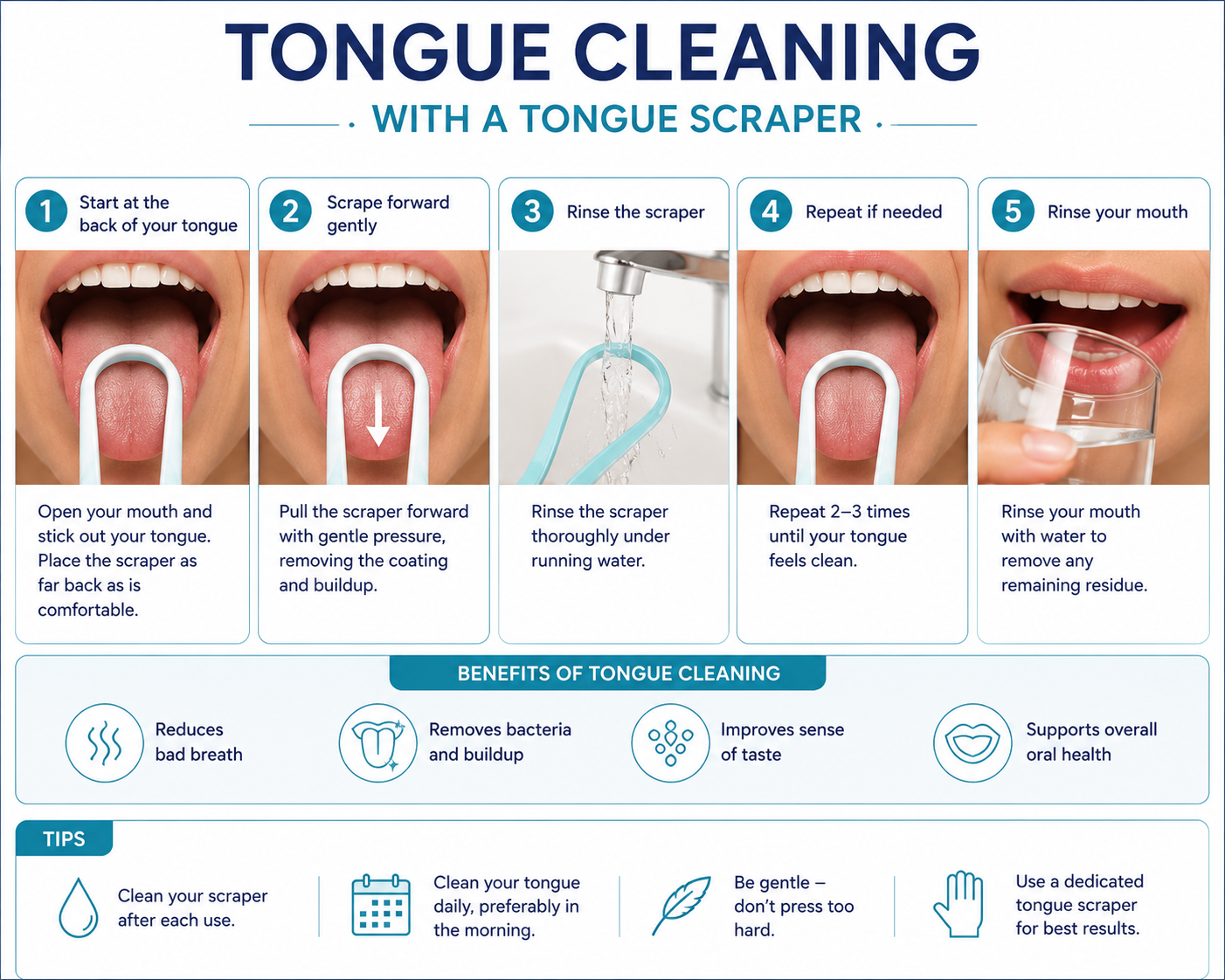
Mouth cleaning consists of brushing the oral mucosa and scraping the tongue. Bacteria found in the oral cavity have the ability to move from one surface to another. It is of great importance to reduce their levels in order to diminish their potential pathogenicity, thereby rendering the development of oral diseases impossible, as much as to reduce bad breath. For this reason, the cleaning of the rest of the mouth is also recommended. This can be achieved by simply brushing the tongue or the cheeks with the dental brush (no dentifrice is needed). The use of specially formed tongue scrapers is also indicated. However, the regular use of mouthwashes is contra-indicated, as these products may harm beneficial bacteria and cause adverse effects, like bacterial resistance, permanent stains on the teeth or even allergies.