Why Do My Gums Bleed When I Brush My Teeth?
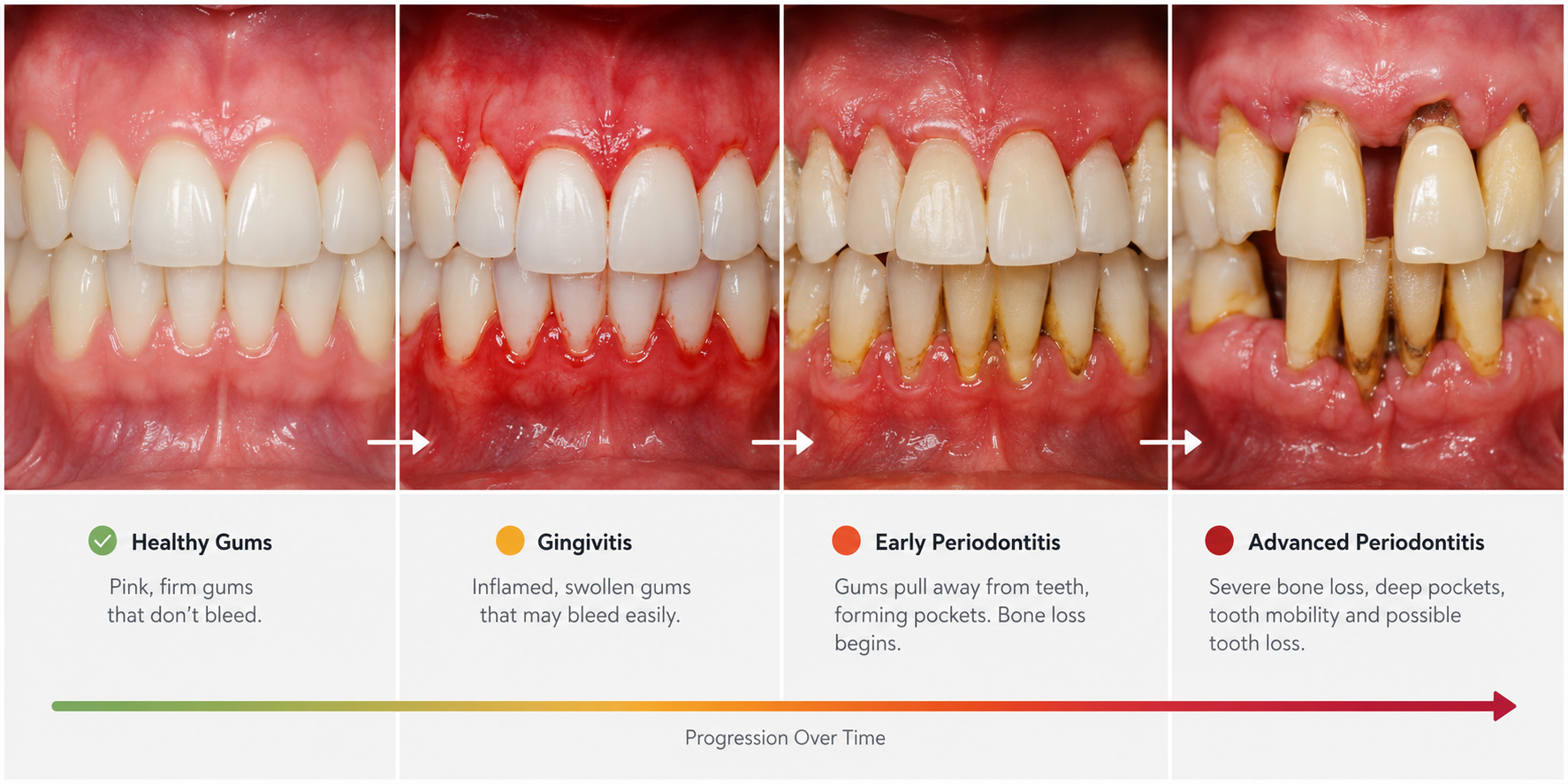
Have you ever noticed that your gums bleed while brushing your teeth and you wondered why? Most people think that gum bleeding is normal. Gingival bleeding in most cases is a clinical sign of localized inflammation. In reality, healthy gingivae do not bleed. They are typically coral pink in color, firm, scalloped, and tightly attached to the teeth. They are neither red nor swollen nor loose. Therefore, blood during tooth brushing should be a warning sign and should not be ignored.
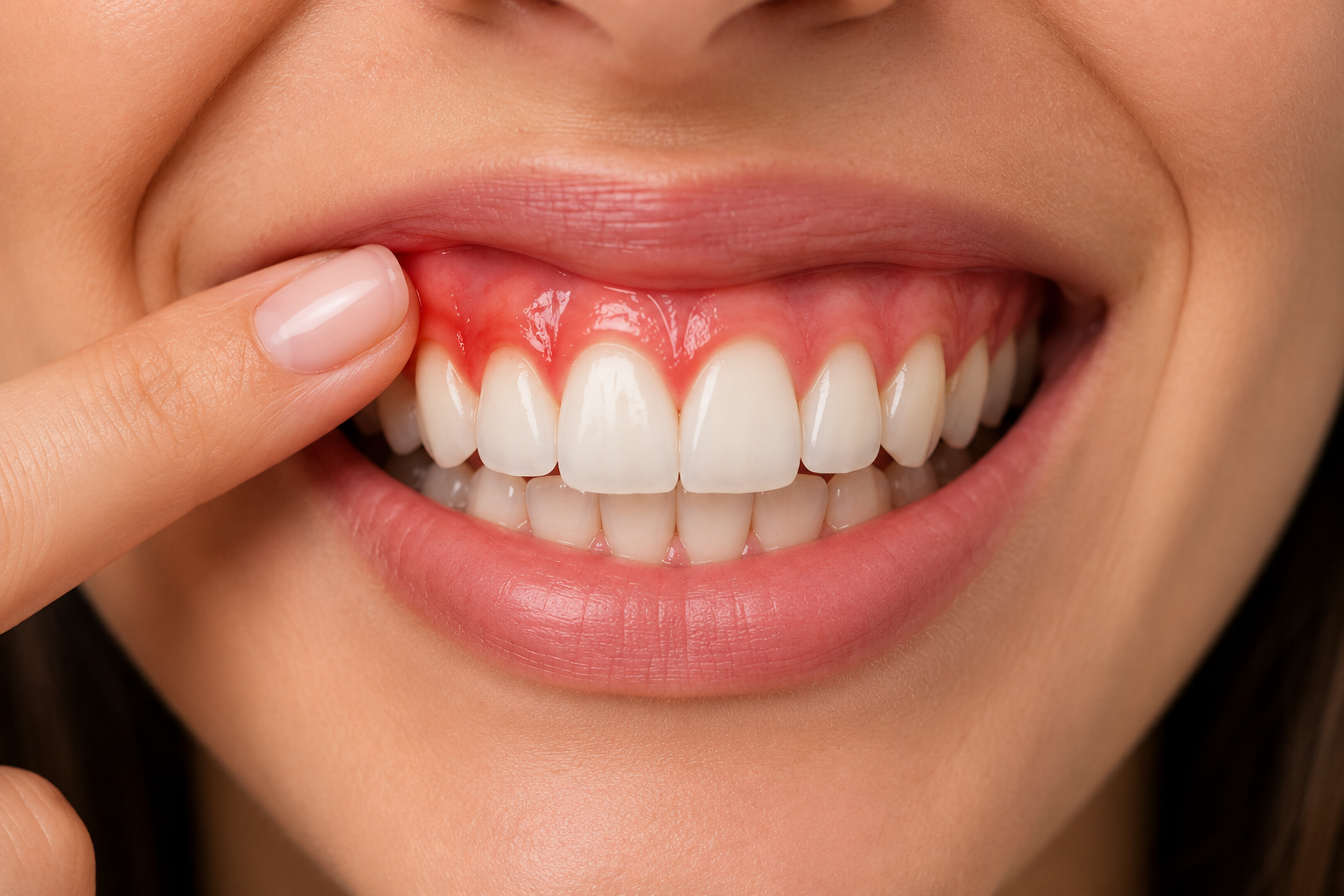
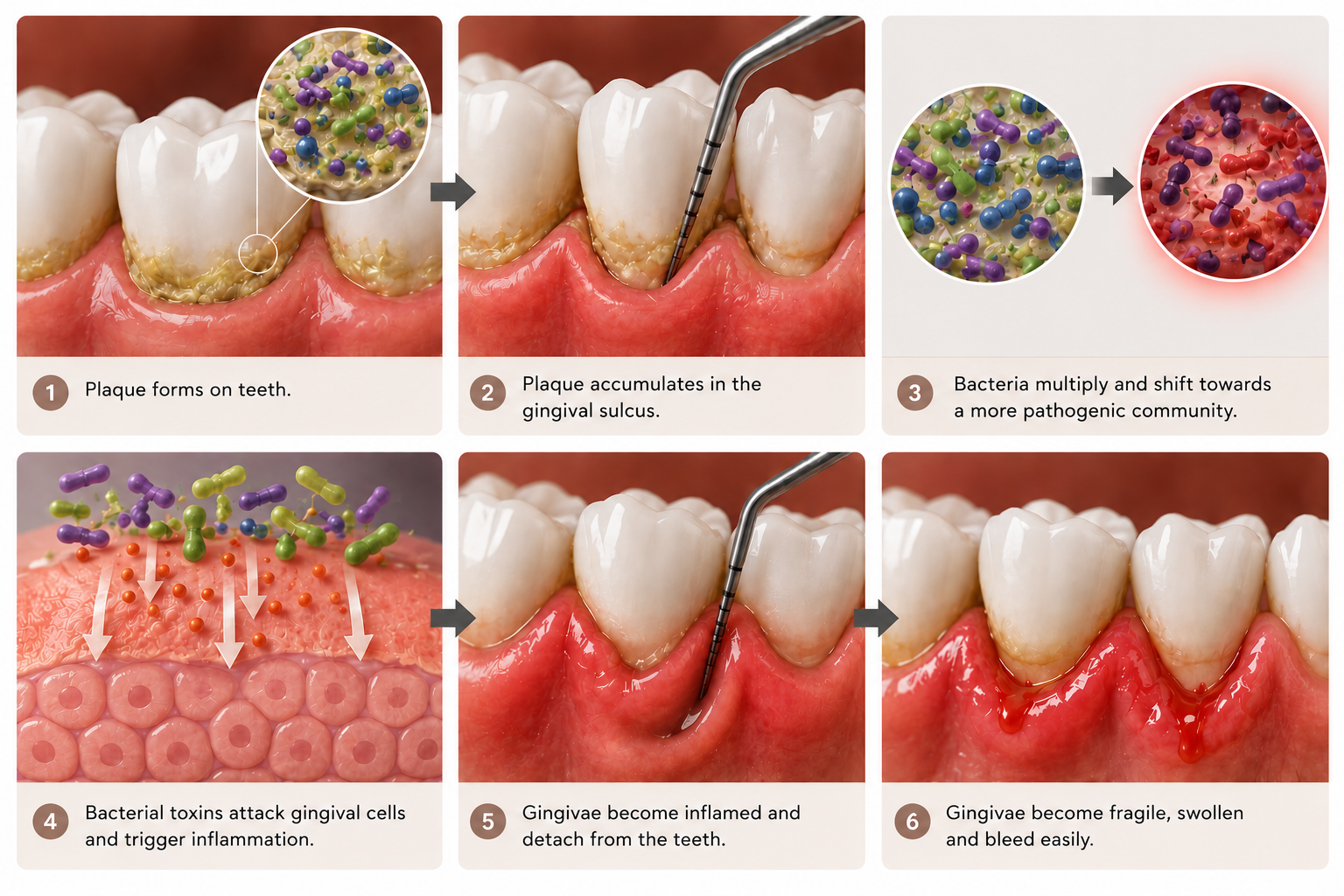
Many etiologic factors could contribute to this state. The most common is the accumulation of dental plaque, a sticky bacterial biofilm that naturally forms on the tooth surfaces even in healthy state. The dental plaque that is found around teeth in the gingival sulcus, i.e. a shallow space found between the teeth and the surrounding gingivae, is responsible for gingival swelling and hemorrhage in most cases.
These bacteria, when found in healthy state and in a particular amount, are in symbiosis with oral tissues, meaning they live in a harmonious relationship with the gums. However, when they are left undisturbed (absence of adequate tooth brushing), they multiply and their composition shifts towards a more pathogenic microbial community which produces toxins that attack gingival cells causing localized inflammation, detachment of the gingivae from the teeth and hemorrhage. When gums are in that state, they become fragile and quite sensitive to stimuli like eating acidic foods, brushing etc. This pathologic condition is called gingivitis. At this stage, gingival inflammation is totally reversible with adequate dental hygiene and professional oral care.
On the contrary, if left untreated, gingivitis can progress to periodontitis, a more advanced form of gum disease. In periodontitis, the inflammation extends deeper into the supporting structures of the teeth, causing destruction of the bone and connective tissues. Over time, this may result in gum recession, tooth mobility, and ultimately tooth loss which could have a serious impact on esthetics and oral functions.
Thus, attentive oral care is of great importance. Tooth brushing twice daily with a soft-bristled toothbrush and dental flossing are adequate (please refer to the article of Oral Hygiene ). In selected cases, a dentist may recommend a short course of chlorhexidine mouthwash as an adjunct to mechanical plaque control. In any case, seeking the advice of a professional who may recommend an individual treatment plan is the best choice to assure restoration of gingival health.
Although plaque-induced inflammation is the most frequent cause, bleeding gums may also be influenced by factors such as hormonal changes during pregnancy or puberty, smoking, certain medications, vitamin deficiencies, or systemic conditions like diabetes. In rare cases, persistent gingival bleeding may be an early manifestation of systemic diseases, such as leukemia. For this reason, persistent or unexplained gum bleeding should always be evaluated by a dental professional.
The good news is that bleeding gums are often preventable. Brushing twice a day with a soft-bristled toothbrush, cleaning between the teeth daily, maintaining a balanced diet, and attending regular dental check-ups and professional cleanings can significantly reduce the risk of gum disease. If your gums bleed consistently for more than a few days, do not ignore the symptom—it is your body's way of telling you that your gums need attention.